A new sunscreen filter reaches US shelves after a 25-year approval gap.
Bemotrizinol adds an option already familiar abroad. Broad protection and easier wear do not make every marketing claim true.

A sunscreen ingredient used abroad for years is finally reaching American store shelves. The arrival of bemotrizinol, often shortened to BEMT, gives US shoppers a new option—but not a reason to throw away every sunscreen they already own.
The Food and Drug Administration approved the ingredient in June, according to an Associated Press report published in October. It is the first new type of sunscreen ingredient cleared for the US market in more than 25 years, even though it has a much longer history elsewhere.
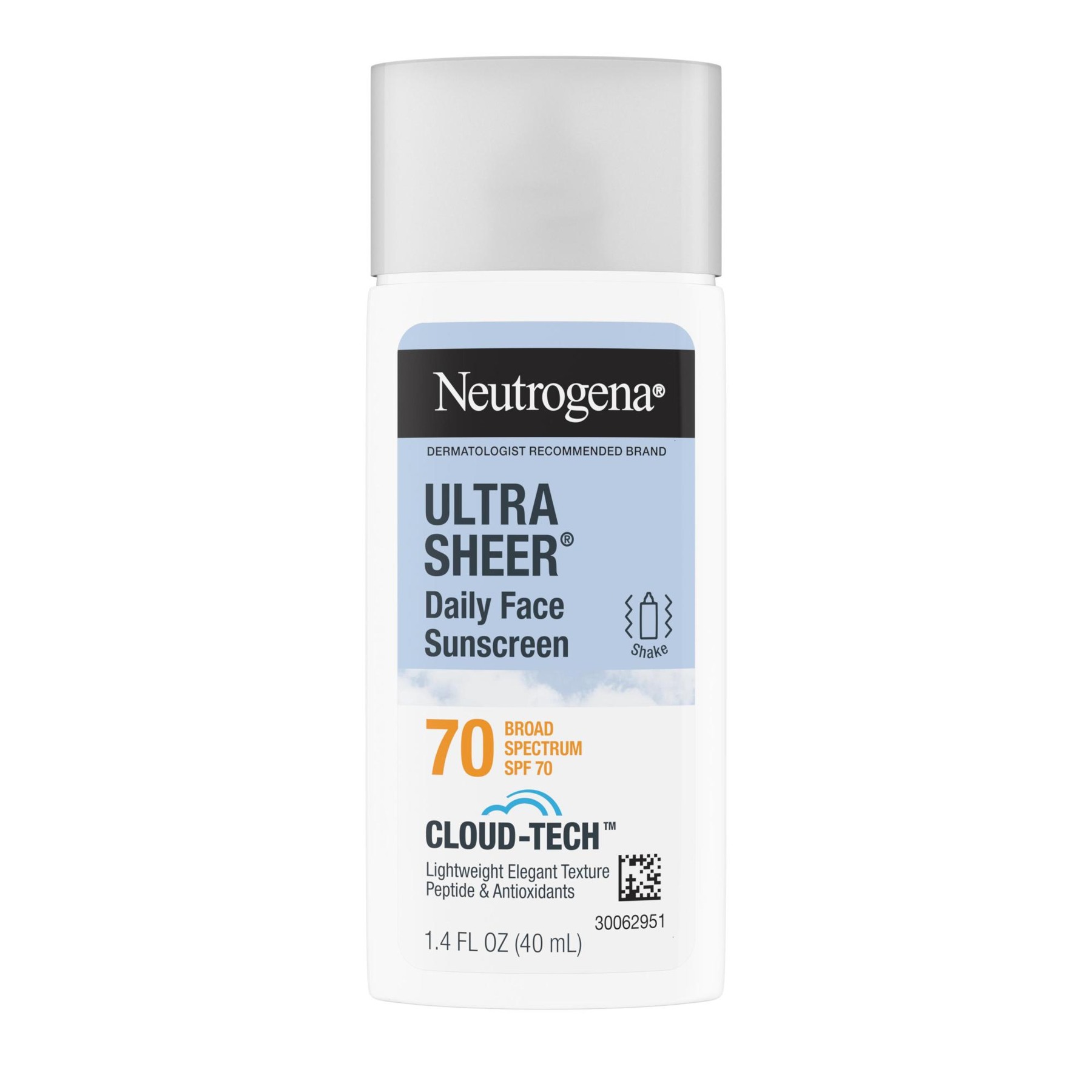
The first products include a Neutrogena formulation. That does not mean every brand has switched, that every shop has stock or that a product containing the new ingredient is automatically the right choice for every person.
What makes BEMT different
Bemotrizinol is a chemical ultraviolet filter that covers both UVA and UVB radiation. It is photostable, meaning it maintains its performance under light, an important property for an ingredient intended to spend time in the sun.
It can also help avoid the white cast associated with some mineral formulations. That can make a sunscreen easier for some people to use consistently, particularly when appearance or texture has discouraged regular application.
Those are formulation advantages, not evidence that older mineral options have stopped working. Zinc oxide and titanium dioxide remain established broad-spectrum sunscreen ingredients. The protection a finished product provides depends on its full formulation and labelled use, not simply whether its ingredient list contains a newly approved name.
Why the US arrival took so long
Sunscreens are regulated differently in different markets. An ingredient’s presence in European products did not automatically grant permission to sell it in American sunscreen.
The AP report describes an FDA review of manufacturer studies involving more than 500 participants. Testing found nearly undetectable absorption and no irritation or allergic reactions during a three-week daily-use study in the patients examined.
That evidence supported the regulatory decision. It is not a universal guarantee that no individual will ever experience a reaction. A study’s size, duration and conditions define what it can establish, even when its results are reassuring.
New evidence is not the same as a verdict against every alternative
Debates about sunscreen ingredients often collapse two different statements: that regulators want more information, and that an ingredient has been proved harmful. Those are not interchangeable conclusions.
The introduction of BEMT should therefore be understood as an additional option, not a blanket warning that every other sunscreen in a bathroom cabinet is dangerous. Questions about a particular ingredient, product recall or regulatory action need their own specific evidence.
For shoppers, the practical comparison is between actual finished products: their labelled protection, directions, texture and suitability for the person using them. A fashionable ingredient name cannot compensate for leaving the bottle unused or applying a product contrary to its instructions.
“Reef safe” is not a settled scientific label
Environmental claims deserve the same care. The AP account notes that there is no standard US definition behind “reef safe” marketing. Limited evidence of environmental toxicity does not establish that an ingredient is harmless to every marine organism under every condition.
Researchers still need longer-term environmental data for BEMT. It would be misleading to turn its approval for human sunscreen use into a claim that scientists have certified complete safety for coral ecosystems.
That distinction matters particularly when a product’s packaging combines health protection with an appealing environmental message. Both claims deserve evidence; one does not automatically prove the other.
The useful change is more choice
The new ingredient could make effective protection more comfortable and accessible for some users. That is a meaningful development after a long gap in US approvals, without requiring a miracle-product narrative.
People should follow the directions on the product they choose, including reapplication and instructions related to swimming or sweating. Shade and protective clothing remain useful alongside sunscreen rather than being replaced by it.
The bottle shown with this report is a company-supplied product photograph carried in AP’s coverage, not a paid recommendation. The wider story is that American shoppers are beginning to gain access to a filter familiar elsewhere—and that better choice works best when it comes with realistic claims.