Trump must answer questions under oath by December 11 in the BBC case.
A judge set a deposition deadline with possible sanctions. The order does not decide the defamation dispute.
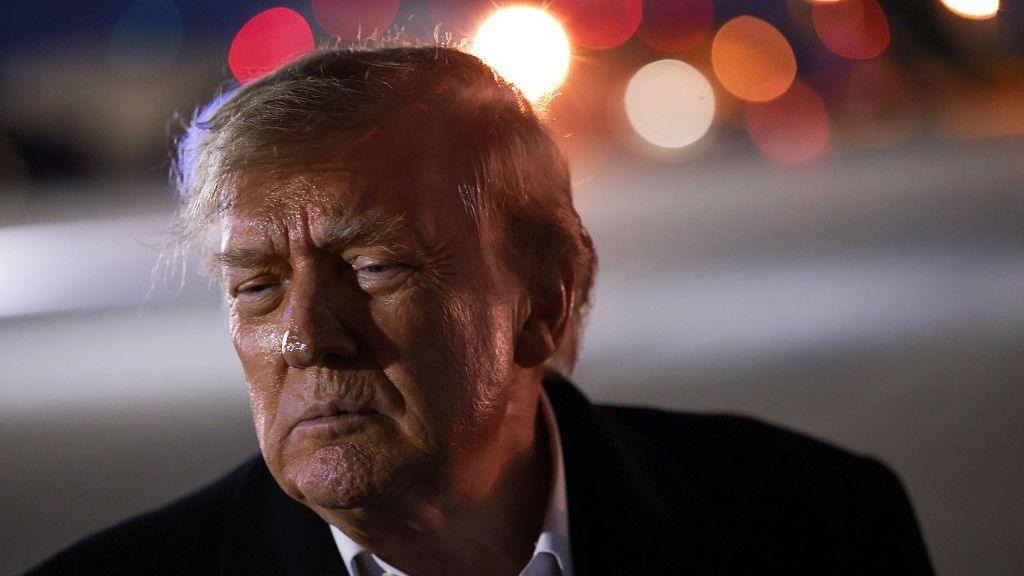
A federal judge has ordered Donald Trump to sit for a deposition by December 11 in his defamation lawsuit against the BBC, setting a deadline after an earlier appearance was canceled.
U.S. Magistrate Judge Enjoliqué Lett said failure to comply could bring sanctions, including dismissal, unless the discovery period is extended. The order governs the evidence-gathering timetable; it does not decide whether the BBC defamed the president or owes damages.
The canceled date became a courtroom dispute
The parties had agreed on October 16 for Trump to answer questions under oath. His lawyers later cited matters of national importance in canceling that appearance.
BBC lawyer Charles Tobin told the court that the president had instead been campaigning in Georgia and attending a fundraiser. The criticism is the broadcaster’s litigation position, not a separate judicial finding about every use of Trump’s time that day.
Trump’s side proposed dates in January 2027 and denied trying to avoid the deposition. The difficulty is that discovery was scheduled to close on December 18, placing those proposed dates outside the existing timetable.
Lett’s December 11 deadline gives the parties a date within that schedule. The possibility of an extension matters, but it is not the same as an extension already being granted.
The lawsuit concerns a misleading edit
Trump’s case seeks $10 billion and concerns a Panorama documentary that combined passages from different parts of his January 6, 2021, speech. He alleges the editing defamed him and also brought claims involving deceptive and unfair trade practices.
The BBC acknowledged the edit and apologized for giving the mistaken impression that Trump had made a direct call for violent action. It denies that the legal requirements for his defamation claim are met.
An acknowledgment of an editorial error and a finding of legal liability are different things. The apology does not automatically establish every element of the lawsuit, just as a defense motion does not itself dispose of the case.
Another witness is part of the argument
The parties were also disputing whether former special counsel Jack Smith should be deposed. The BBC subpoenaed him, arguing that his extensive investigation of January 6 made him an authoritative source on issues in the case.
Trump’s lawyers argued that Smith lacked personal knowledge of the preparation and delivery of the speech and that much of what he could say was already publicly available through his report and testimony.
Those are competing arguments about relevant evidence. The reporting reviewed here does not establish a final resolution of that witness dispute, so it should not be described as a completed Smith deposition or a ruling that his testimony has already settled the case.
A deadline is significant without being a verdict
A deposition allows lawyers to question a witness under oath before trial. Here, the person whose testimony is sought is also the plaintiff who chose to bring the case. That makes his availability central to the evidence schedule, rather than a side issue affecting only outside witnesses.
The immediate development is the court’s willingness to set a firm date and attach possible consequences. It is not an award of $10 billion, a dismissal already entered or an exoneration of either party.
This account draws on Associated Press reporting as well as the BBC’s own coverage. The BBC is a party to the litigation, a distinction that matters when assessing its description of the dispute. Further court orders may change the schedule; the October 22 order is the current development documented here.