Russia releases retired American teacher Stephen Hubbard
The 74-year-old’s release followed a meeting between Vladimir Putin and US envoy Steve Witkoff.
Russia has released Stephen Hubbard, a 74-year-old retired American teacher whose imprisonment became a point of contention between Washington and Moscow, following talks between President Vladimir Putin and US envoy Steve Witkoff.
Hubbard was freed on October 21 and taken to St Petersburg for his journey home. President Donald Trump later said he had arrived in the United States and was expected to visit the White House.
His release delivered a reunion for a family that had disputed the case against him. It also gave Washington a tangible outcome from a diplomatic meeting that produced no announced agreement to end the war in Ukraine.
The case his family disputed
Russian authorities arrested Hubbard in Izyum, eastern Ukraine, in April 2022. Prosecutors accused him of joining a Ukrainian territorial-defence unit and said he had been promised payment. He was sentenced to six years and 10 months after a closed trial.
His lawyer said Hubbard denied serving in a combat or military unit. His sister had also rejected the suggestion that he took up arms, pointing to his age and describing him as unsuited to military activity. Washington designated him wrongfully detained.
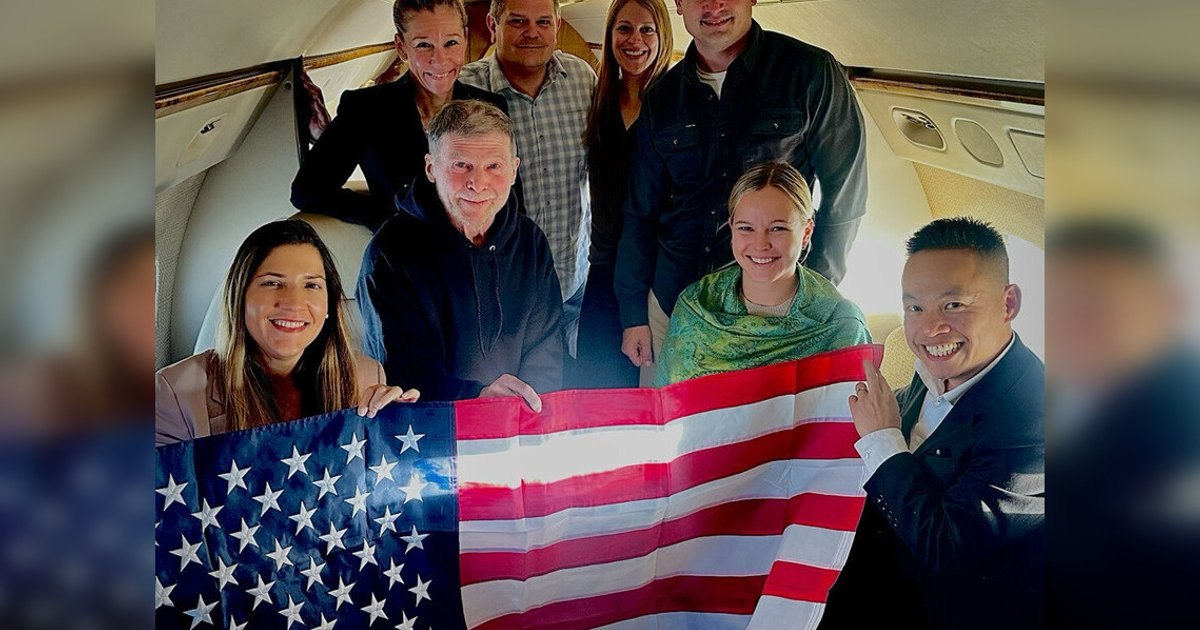
Hubbard’s son told Reuters that he spoke briefly with his father before the flight from Russia and heard happiness in his voice. Photographs released by the White House showed Hubbard with relatives and an American flag during the trip.
A release with diplomatic consequences
Kremlin spokesman Dmitry Peskov said Putin acted at Trump’s request and took Hubbard’s poor health into account. Trump said the United States had given nothing in exchange. Neither government disclosed a detailed public account of the negotiations behind the release.
Witkoff’s description of Putin as a humanitarian drew criticism from lawmakers in both parties. The remark landed amid continuing Russian attacks on Ukraine and controversy over Washington’s recent dealings with Moscow. Trump framed the comment around the specific decision to release Hubbard rather than offering a broader endorsement of Putin.
Sanctions and fuel policy complicate the diplomatic opening
The talks took place amid controversy over Washington’s recent dealings with Moscow, including an agreement to buy Russian diesel and a pause in additional sanctions. Those measures have drawn concern in Congress and European capitals because they affect the pressure being applied to Russia while the war continues.
Hubbard’s release gives the administration a concrete outcome to defend, but it does not independently demonstrate the effectiveness of every part of that policy. A prisoner’s return, changes in sanctions and negotiations over a war involve different decisions, even when officials discuss them in the same diplomatic conversation.
The timing of further talks was also unsettled. Zelensky wanted negotiators to meet as soon as possible, preferably by early November, while Norway’s prime minister described a possible meeting around the middle of the month focused on a potential post-conflict security structure. Agreement to explore a meeting leaves open the agenda, participants and commitments. Those details will determine whether the opening produces more than another round of discussions.
Ukraine talks remain unresolved
Witkoff called his discussions constructive and pointed towards further negotiations involving the United States, Russia and Ukraine. Ukrainian President Volodymyr Zelensky backed talks at negotiator level and wanted them held quickly, while the reporting described different expectations about their timing in November.
The prisoner release does not settle the security and territorial issues at the centre of the war. It gives the two governments a completed diplomatic transaction to point to, but a confirmed meeting, agreed commitments and an actual reduction in fighting would be needed to demonstrate progress towards peace.