
Your Airbnb checkout should not become a cleaning shift. New rules draw a line.
Laundry and bed-stripping requests face limits for bookings made from November 20—not every existing reservation.
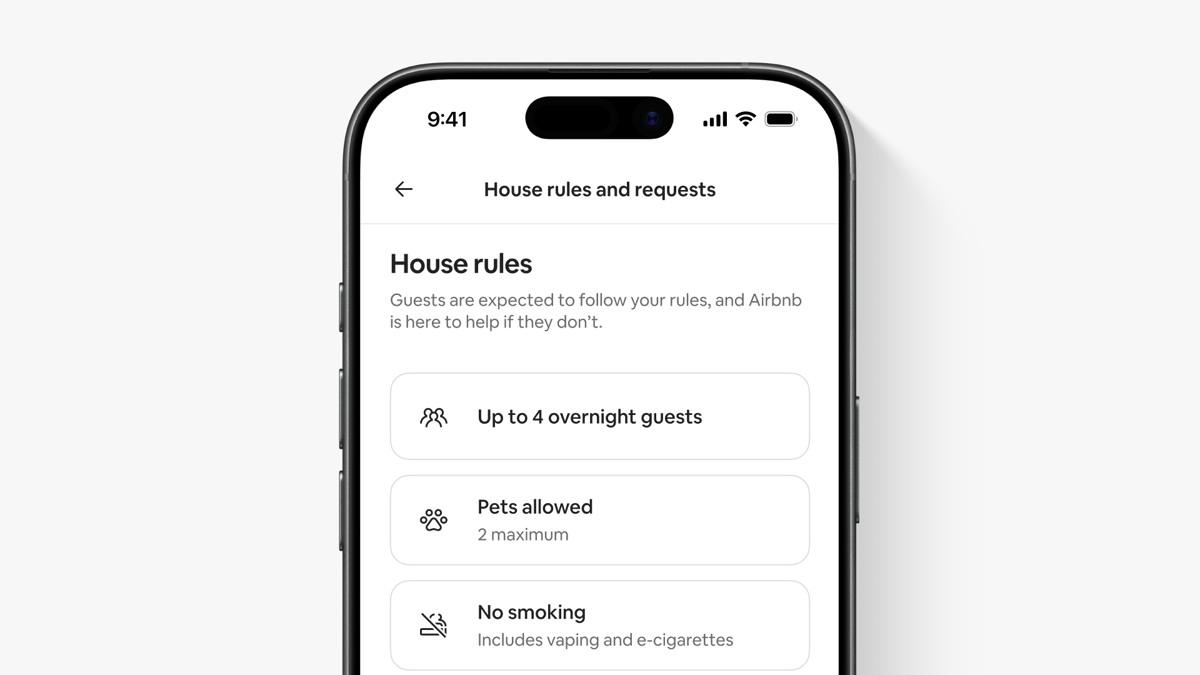
Airbnb is drawing a clearer line between leaving a holiday rental reasonably tidy and doing the work of a cleaner. Under a new policy, hosts generally cannot ask guests to strip beds, wash and put away dishes, or take rubbish to an off-site facility.
The key date is November 20, 2026. The policy applies to reservations booked on or after that date—not automatically to every stay taking place after it, and not to every existing booking today.
The sink is allowed. A dishwashing assignment is not.
Hosts may ask guests to place used dishes in the sink. Asking them to wash those dishes and put them away crosses the line described in the new guidance. Separating rubbish and recycling can be reasonable; transporting bags to an off-site disposal facility generally is not.
The broader principle covers tasks requiring substantial time or effort, or work ordinarily done by a cleaner. Bed-stripping and laundry requests are examples, rather than the only possible chores that could fall foul of the policy.
This is not permission to damage a home or ignore ordinary guest responsibilities. Airbnb still requires guests to follow reasonable house rules and encourages respect for reasonable requests. The change is about how much work a host can make part of the stay.
No new rules by message after the booking
The official policy also requires house rules and requests to appear in the designated part of the listing when a guest books. Hosts cannot introduce new requirements afterward through a message, a sign inside the property or an in-person instruction.
That provision addresses a familiar source of friction: discovering the real checkout checklist only after arriving. Guests should be able to assess the requirements before deciding whether a property suits them.
The rules must also match the rest of the listing. Access to an advertised feature cannot be restricted by a conflicting house rule, and fees for advertised features must be reflected in the price shown at booking. Optional extras are treated separately.
Exceptions still require context
Airbnb says it will consider the type of property, length or kind of stay, and local circumstances when deciding whether a request is reasonable. The policy gives examples such as water restrictions during a drought or animal-proof rubbish storage in bear country.
Those exceptions do not automatically authorize an unlimited cleaning checklist. They show why a request needs to be assessed in its setting rather than judged only by the number of words in a checkout message.
If a rule breaches the policy, Airbnb can educate or warn the host and ask for a listing change. Persistent problems can lead to a notice visible to guests, reduced search visibility or other action under its terms. Not every first complaint produces an immediate suspension.
Hosts worry the work will reappear in the price
Some hosts oppose the change. More than 5,000 people had signed a petition seeking its reversal in the October 22 coverage, arguing that ordinary tidying is part of living responsibly in someone else’s property.
They also say extra paid cleaning work could increase their costs and eventually guests’ prices. That is an argument about a possible consequence, not evidence that every reservation will become more expensive or that Airbnb has announced a standard new fee.
For guests, the practical move is to read the listing’s actual rules, keep the booking date in mind and raise conflicting requests through the platform. For hosts, the task is to make expectations clear before a reservation is made. A holiday checkout can require consideration without turning into an unpaid shift.