Chornobyl’s radioactive dust kept a surprising structure for 40 years. That does not make it safe.
X-ray analysis of six particles found persistent fuel structures. The small sample cannot establish the risks across an entire exclusion zone.
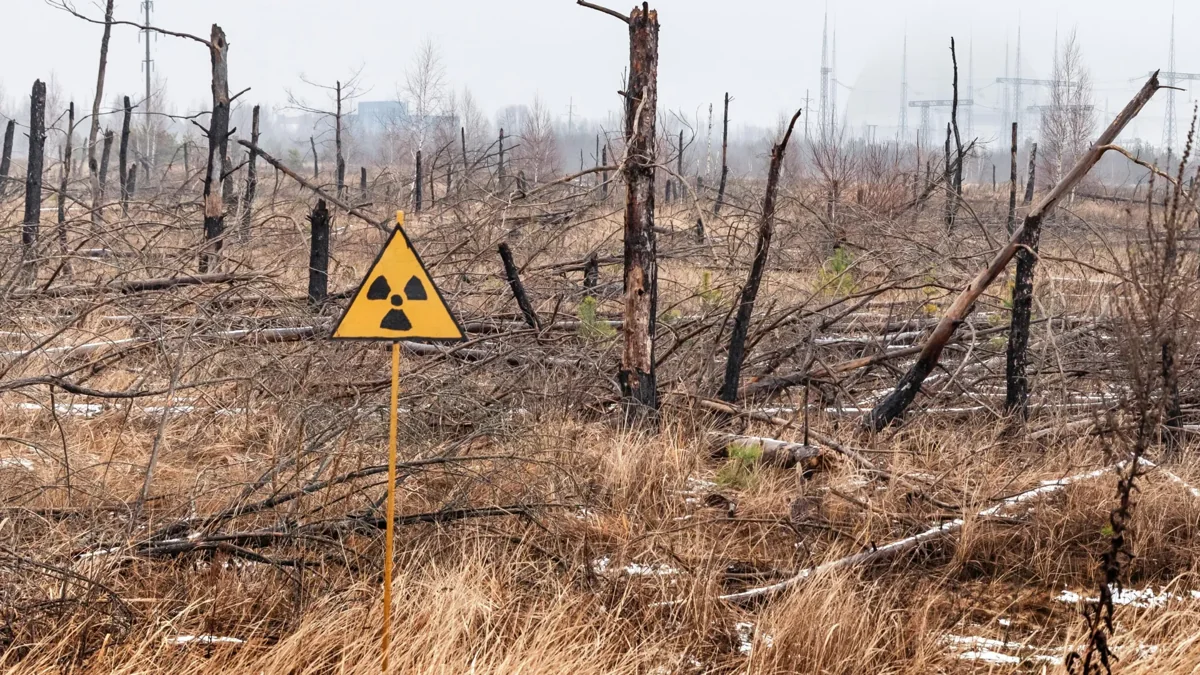
Four decades after the Chornobyl disaster, researchers have found that some microscopic radioactive fragments retained much of their original crystal structure. That persistence could affect how contaminants move through the environment, but it is not evidence that the fallout has become harmless.
A close look inside six particles
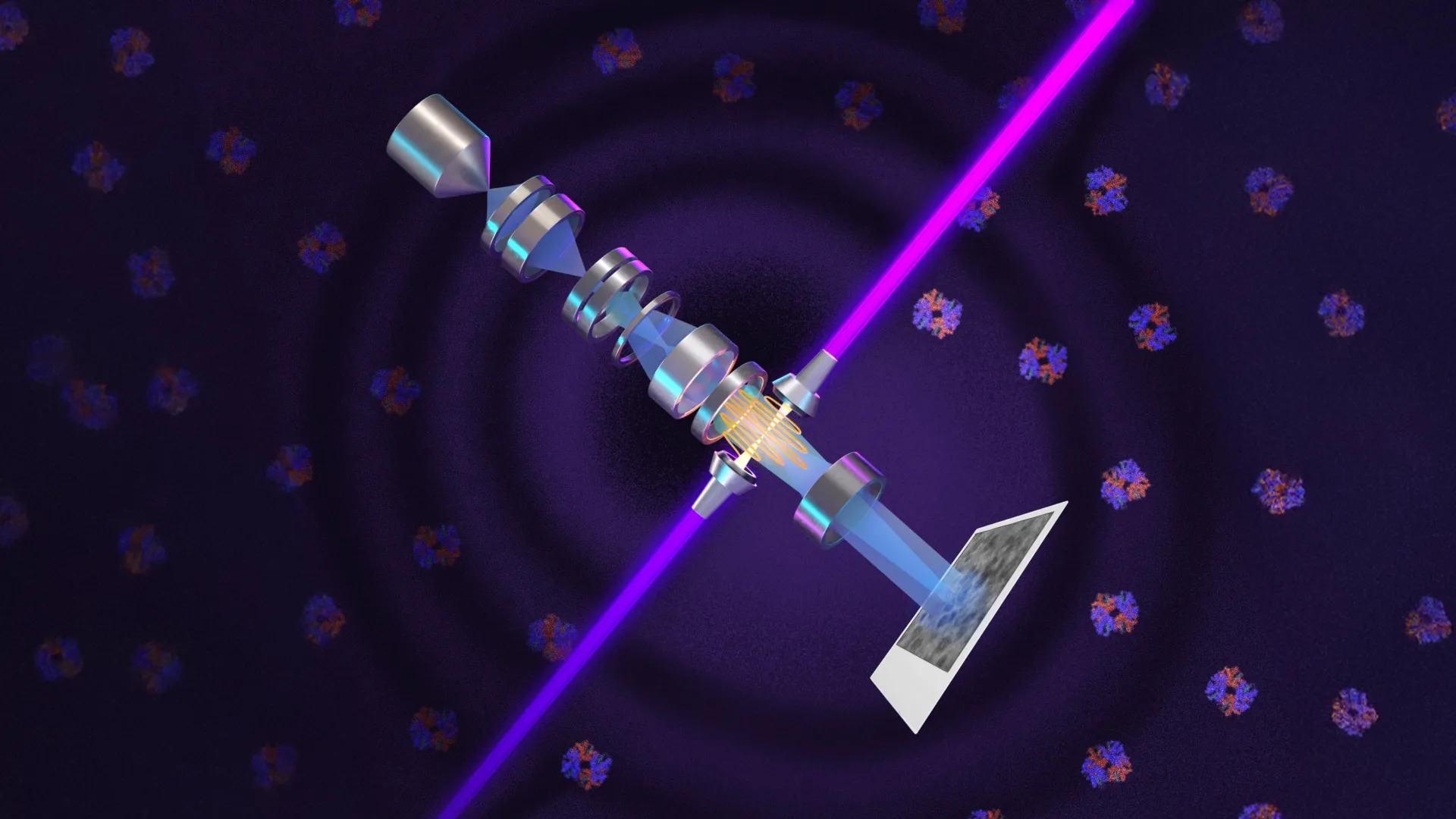
The research described by ScienceDaily examined six particles recovered from two locations in the Chornobyl region. Scientists used synchrotron X-ray diffraction at the Rossendorf Beamline in Grenoble to distinguish the crystalline materials within the fragments.
The measurements required careful containment because the samples were highly radioactive. Rotating the particles through a focused X-ray beam allowed the team to gather structural information that is difficult to obtain from such tiny remnants. The study was published in the Journal of Hazardous Materials.
Why a stable structure can matter
Radioactive particles can differ substantially in their composition and their resistance to weathering. Some resemble uranium-dioxide fuel; others incorporated zirconium during extreme heating or contain different uranium oxides associated with the reactor fire.
The retained structures suggest that some fragments can hold fission products rather than release them quickly into surrounding soil and water. This changes the question from simply whether radioactive material remains to how—and over what period—it may become mobile. Persistence can complicate long-term risk assessment rather than end it.
The limit that belongs in the headline
The researchers cautioned that every particle has its own structure and that six particles cannot represent the entire contaminated region. More samples from more locations would be needed to characterise wider behaviour. Even a useful average would not remove the possibility of unusually persistent fragments.
This is a study of the legacy of the 1986 disaster, not a report of a new reactor accident or a newly declared radiation emergency. Its significance lies in understanding enduring contamination. Nothing in the reported result justifies treating restricted areas as safe for unrestricted access.